
Conditions · Spine surgery · Lainate
Lumbar spinal fusion: TLIF, XLIF and ALIF explained step by step
Spinal fusion (arthrodesis) promotes the fusion of two or more vertebrae. It is indicated in selected cases of spondylolisthesis, abnormal segmental motion, deformity or degenerative disc disease, after a careful specialist assessment.
Why it is done
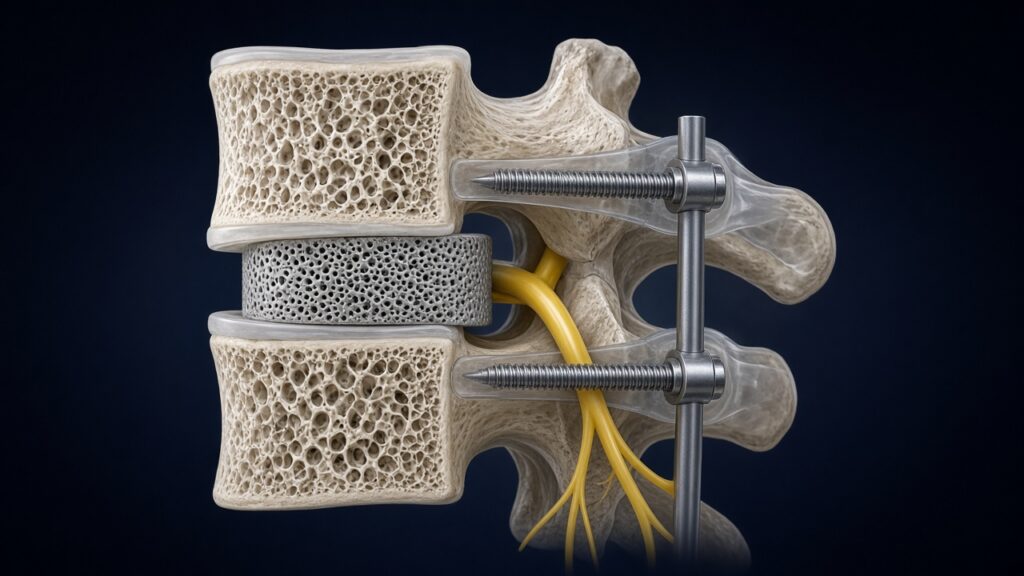
When the disc wears out, one vertebra slips over another, or ligaments and joints thicken, the intervertebral foramina through which the nerve roots exit become narrower and the nerve is compressed: back and leg pain, tingling, weakness and difficulty walking. Spinal fusion makes it possible to decompress the nerves, restore disc height and immobilise the segment until the bone has fused [1].
The three stages of the operation (example: TLIF)
- Laminectomy and foraminotomy: the lamina and, on the side of the approach, the facet joint are removed, freeing the nerve root.
- Interbody cage: the degenerated disc is removed and a titanium cage filled with bone graft is inserted, restoring disc height and keeping the foramen open.
- Pedicle screws and rods: the screws, inserted through the pedicle into the vertebral body, are connected by two rods: a frame that holds the vertebrae still while they fuse.
TLIF or PLIF?
PLIF (posterior approach) is the “sister” technique of TLIF. In lumbar spondylolisthesis a meta-analysis found comparable clinical results, but with TLIF there were fewer complications, in particular fewer dural and nerve injuries, with shorter operating times and less blood loss [2][3].
The lateral (XLIF) and anterior (ALIF) approaches
In XLIF the disc is reached from the side, through the psoas muscle, using a minimally invasive approach that allows a large cage to be inserted and the nerves to be decompressed indirectly [4]. In a prospective series of 600 cases, perioperative complications occurred in 6.2%, with an average hospital stay of about one day [5]. In ALIF the disc is reached from the front, through the abdomen, without touching the back muscles: it is particularly suitable for the L5-S1 level. These approaches can be combined with percutaneous posterior screws.
When it is considered
- Spondylolisthesis , degenerative or isthmic, with pain and leg symptoms.
- Stenosis of the canal or foramina associated with abnormal segmental motion.
- Recurrent disc herniations or selected degenerative disc disease.
- Deformities such as adult scoliosis.
- Symptoms that persist despite physiotherapy, medication and injections.
Not all back pain requires surgery: surgery is proposed after a thorough consultation, MRI and dynamic X-rays, when the expected benefits clearly outweigh the risks.
After surgery
Patients are usually up and about within the first few days. This is followed by gradual rehabilitation and X-ray checks that confirm, over time, that the vertebrae have fused. Timing and recommendations are always personalised.
Videos by Dr. Lavanga
TLIF: how we free the nerve root and perform spinal fusion (arthrodesis)
Inside the operation in 3 steps
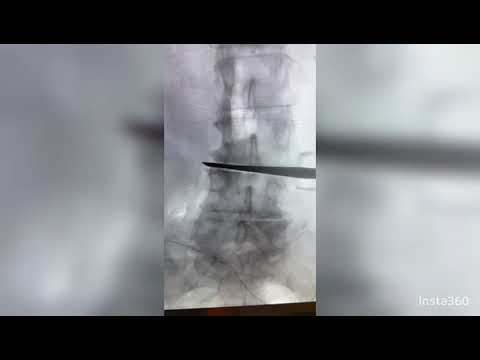
Anterior and posterior lumbar spinal fusion: two months later
 Watch on YouTube ↗Surgical images0:56
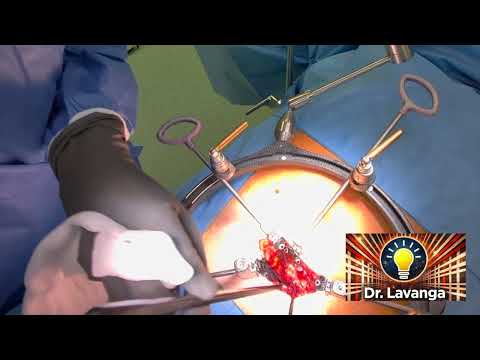
Lateral lumbar spinal fusion (XLIF): the surgeon's point of view
 Watch on YouTube ↗Surgical images1:43
ALIF-type anterior approach for L5-S1 disc disease
Videos load from YouTube (youtube-nocookie.com) only when you press ▶.
Related articles
Scientific references (PubMed)
- Mobbs RJ et al. Lumbar interbody fusion: techniques, indications and comparison of interbody fusion options including PLIF, TLIF, MI-TLIF, OLIF/ATP, LLIF and ALIF. J Spine Surg. 2015. PMID 27683674
- Cole CD et al. Comparison of low back fusion techniques: transforaminal lumbar interbody fusion (TLIF) or posterior lumbar interbody fusion (PLIF) approaches. Curr Rev Musculoskelet Med. 2009. PMID 19468868
- de Kunder SL et al. Transforaminal lumbar interbody fusion (TLIF) versus posterior lumbar interbody fusion (PLIF) in lumbar spondylolisthesis: a systematic review and meta-analysis. Spine J. 2017. PMID 28647584
- Ozgur BM et al. Extreme Lateral Interbody Fusion (XLIF): a novel surgical technique for anterior lumbar interbody fusion. Spine J. 2006. PMID 16825052
- Rodgers WB et al. Intraoperative and early postoperative complications in extreme lateral interbody fusion: an analysis of 600 cases. Spine (Phila Pa 1976). 2011. PMID 21192221
Information only: this does not replace a medical consultation, diagnosis or personalised treatment.